
~≈~ SEO GUIDE ~≈~
SEO Basics Every Business Website Should Cover
Search engine optimization — SEO — is how your business website earns visibility when potential customers search for the services or products you offer. A well-optimized website makes it easier for search engines to understand who you are, what you do, and where you serve. This guide walks through the foundational SEO practices every business website should address: on-page elements, content strategy, technical foundations, and how to measure your progress realistically.
~≈~ ON-PAGE SEO ~≈~
The On-Page Elements That Help Search Engines Understand Your Site
On-page SEO refers to the content and structure decisions you make on each individual page. These elements tell search engines what your page is about — and help real visitors decide whether to click or stay.
Page Title (Title Tag)
The page title is one of the most important on-page SEO elements. It appears in search results as the clickable headline. Each page on your website should have a unique, descriptive title that clearly reflects the page's topic and includes a relevant keyword naturally — for example: 'Residential Plumbing Services in Austin | Company Name'.
Meta Description
The meta description is a short summary — typically 150 to 160 characters — that appears below the title in search results. A well-written meta description does not directly affect your ranking, but it can influence whether someone chooses to click your listing. Write it for the reader: describe what the page offers and give them a reason to visit.
Heading Structure (H1, H2, H3)
Each page should have one H1 — the primary page topic — followed by H2 and H3 subheadings that organize the content logically. Headings help both search engines and visitors scan the page. Avoid using headings purely for visual styling; use them to reflect the actual structure of your content.
Image Alt Text
Every image on your website should have descriptive alt text — a short written description of what the image shows. Alt text helps search engines understand your images, improves accessibility for users who rely on screen readers, and provides context when images cannot load.
Internal Links
Internal links connect your pages to each other. When a service page links to a related resource, or a blog post links to a relevant service, it helps search engines map your site structure and helps visitors navigate to relevant content. Use descriptive, natural anchor text — avoid generic phrases like 'click here'.
~≈~ CONTENT STRATEGY ~≈~
Create Content That Matches What Customers Are Searching For
Search engines try to match each query to the most relevant, helpful page available. For your website to appear in those results, your pages need to reflect the actual language, topics, and locations your customers use when they search.
One Page Per Service
Avoid trying to cover every service on a single page. A plumber who offers drain cleaning, water heater installation, and leak repair will rank more effectively with a dedicated page for each service. Each service page can target the specific language customers use, answer common questions, and describe the scope of the work in detail.
Tell Search Engines Where You Operate
If your business serves a specific city, region, or set of neighborhoods, your website should reflect that clearly. Include your service area in page titles, headings, and body copy where it fits naturally. If you serve multiple locations, consider a dedicated page for each area with genuinely unique, useful content for that audience.
Write for Questions, Not Just Keywords
Many searches are questions: 'How much does roof replacement cost?' or 'What should I look for in a business attorney?' Pages that directly answer these questions in clear, organized language are well-positioned to appear in search results — including AI-powered search experiences that surface direct answers. Use headings, short paragraphs, and structured answers rather than long unbroken text blocks.
~≈~ TECHNICAL FOUNDATIONS ~≈~
Technical SEO: The Infrastructure That Makes Your Site Findable
Technical SEO refers to the behind-the-scenes website structure that affects how well search engines can access, read, and index your pages. While technical SEO may sound complex, many of the most important elements are handled at the platform level — or are straightforward to address with the right guidance.
Mobile-Friendly Design
Search engines prioritize mobile experience when evaluating pages. Your website should display correctly and load quickly on phones and tablets. Kaboomasite websites are built with responsive layouts that automatically adjust to any screen size.
Page Load Speed
Slow-loading pages frustrate visitors and can reduce your visibility in search results. Page speed depends on your hosting environment, image sizes, and how your pages are built. Keeping images optimized and avoiding unnecessary third-party scripts are practical steps any business owner can take.
XML Sitemap and Robots.txt
An XML sitemap lists the pages on your website so search engines can find and index them efficiently. A robots.txt file tells search engine crawlers which areas of your site to access or skip. Kaboomasite supports both, helping ensure your important pages are discoverable.
Clean, Descriptive URLs
URLs that clearly describe the page content — such as /drain-cleaning-services — are easier for both search engines and visitors to understand than random strings of numbers or characters. Use short, descriptive, lowercase URLs with hyphens between words.
Kaboomasite's platform handles hosting, SSL, sitemap support, and robots.txt as part of the monthly platform — so business owners can focus on their content rather than server-level configuration. Optional premium apps and advanced features may involve additional costs.
~≈~ MEASURING PROGRESS ~≈~
How to Measure SEO Progress — and What to Realistically Expect
SEO is a long-term investment. Most websites do not see meaningful ranking changes overnight — improvements typically develop over weeks to months as search engines crawl and re-index your updated pages. Setting realistic expectations at the start protects you from making reactive decisions too early.
What to Track
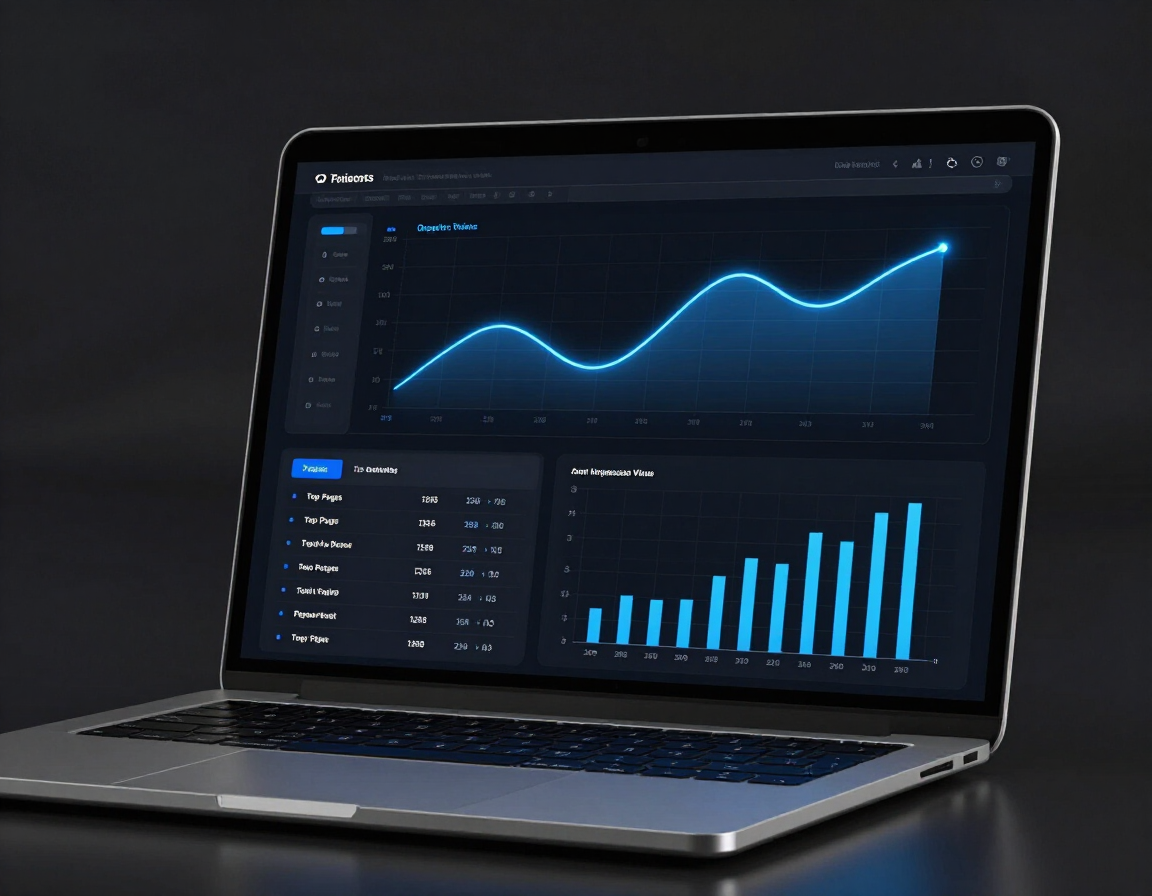
Connect your website to an analytics tool — such as Google Analytics or Google Search Console — to monitor the metrics that matter most:
— Organic search traffic: how many visitors arrive from search engines
— Impressions and clicks: how often your pages appear in results and how often people click them
— Top-performing pages: which pages drive the most organic visits
— Average position: roughly where your pages rank for specific queries
These numbers give you a factual baseline and show whether your SEO efforts are moving in the right direction over time.
Honest Expectations
No tool, platform, or agency can guarantee a specific ranking or a specific position in AI-generated search answers. Search engines use hundreds of signals — content quality, site authority, competitor strength, search intent match, and more — to determine rankings. What you can control is the quality and completeness of your website's SEO foundation. Kaboomasite provides the tools; consistent effort and accurate, helpful content drive results over time.
Kaboomasite does not guarantee search engine rankings or placement in AI-generated search answers. SEO results depend on many factors outside any platform's control.